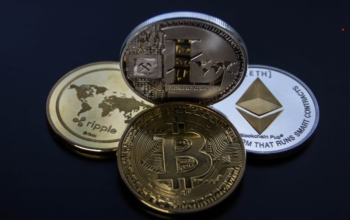
Altcoins, or alternative cryptocurrencies, are digital assets that aim to offer improvements or alternatives to the original cryptocurrency, Bitcoin. As the cryptocurrency market has expanded, there has been a proliferation of altcoins that offer a range of features, from faster transaction speeds to privacy enhancements. While investing in altcoins can offer potential benefits, it also comes with significant risks that investors need to be aware of.
Benefits of investing in altcoins:
- Diversification: Investing in altcoins can provide a way to diversify a cryptocurrency portfolio and reduce overall risk. This is because altcoins are often uncorrelated with Bitcoin and other mainstream cryptocurrencies, meaning that their prices do not move in tandem with Bitcoin and other cryptocurrencies. By diversifying into multiple cryptocurrencies, investors can reduce the impact of market volatility and minimize their overall risk.
- Potential for higher returns: Some altcoins have the potential to offer higher returns than Bitcoin and other mainstream cryptocurrencies. This is because many altcoins are in the early stages of development and have a lower market capitalization than Bitcoin, meaning that there is more room for growth. Additionally, some altcoins may offer unique features that have the potential to disrupt existing markets, which can lead to significant price appreciation.
- Innovation: Altcoins have the potential to drive innovation in the cryptocurrency space. Many altcoins are developed by teams of experts and aim to offer improvements or alternatives to the original cryptocurrency, Bitcoin. By investing in altcoins, investors can support innovation and help to drive the development of the cryptocurrency space.
Risks of investing in altcoins:
- Lack of adoption: Many altcoins struggle to gain widespread adoption, and this can limit their potential for growth. Without widespread adoption, it can be difficult for altcoins to achieve their full potential, and this can result in limited price appreciation for investors.
- Price volatility: Altcoins are often more volatile than Bitcoin and other mainstream cryptocurrencies, meaning that their prices can fluctuate rapidly and unpredictably. This volatility can result in substantial losses for investors, especially in short periods of time.
- Scams and fraud: The cryptocurrency space is largely unregulated, and there is a risk of scams and fraudulent projects. Altcoins are particularly vulnerable to scams and fraud, as many are developed by anonymous or pseudonymous individuals, and there is often limited information available about the development team and their track record.
- Security risks: Many investors store their altcoins in digital wallets, which can be vulnerable to hacking and theft if they are not properly secured. This lack of security can result in the loss of investment funds, and there is no guaranteed protection for investors.
- Lack of regulation: The lack of regulation in the cryptocurrency space can make it difficult for investors to have confidence in the value of their investment, and can also increase the risk of market manipulation.
Furthermore, the regulatory landscape for altcoins is still evolving, and there is a risk that governments and regulators may take action that could negatively impact the value of altcoins. For example, governments may impose regulations that limit the use of altcoins, or they may take measures to restrict the flow of funds into the altcoin market. This regulatory risk can increase the volatility of altcoin prices, and can make it difficult for investors to predict the future value of their investment.
Another risk of investing in altcoins is the lack of transparency and accountability. Many altcoin projects are developed by anonymous or pseudonymous individuals, and there is often limited information available about the development team and their track record. This lack of transparency can make it difficult for investors to evaluate the long-term potential of the project, and can also increase the risk of scams and fraud.
Additionally, the scalability of many altcoins is still a concern, and there is a risk that the technology may not be able to handle a large volume of transactions. This scalability risk can limit the widespread adoption of altcoins, and can make it difficult for altcoins to achieve their full potential.
It is also important to understand that investing in altcoins is not suitable for everyone and may not be appropriate for all investment goals and risk tolerances. Some investors may prefer to invest in mainstream cryptocurrencies like Bitcoin or Ethereum, which have a more established track record and a larger market capitalization. On the other hand, some investors may be more comfortable with the higher risk and volatility associated with altcoins, and may be willing to invest a portion of their portfolio in these assets.
Ultimately, the decision to invest in altcoins should be based on an individual’s investment goals, risk tolerance, and overall financial situation. Before investing in altcoins, it is important to thoroughly research the project, to understand the technology behind the altcoin, to evaluate the development team and their track record, and to consider the potential risks and benefits.
In addition to conducting research, it is also important to have a clear investment strategy and to diversify your portfolio. This can help to reduce overall risk and increase the chances of long-term success. It is also important to be aware of the tax implications of investing in altcoins, and to properly report any gains or losses on your tax return.
Finally, it is important to remember that investing in altcoins is a high-risk investment, and that there is no guarantee of success. While some altcoins have the potential to offer significant returns, there is also the potential for substantial losses, and investors should be prepared for the possibility of losing their entire investment.
Investing in altcoins can offer potential benefits, including diversification, the potential for higher returns, and innovation. However, it also comes with significant risks, including lack of adoption, price volatility, scams and fraud, security risks, and lack of regulation. Before investing in altcoins, it is important to thoroughly research any investment opportunities, to be cautious of scams and fraud, and to seek the advice of a financial professional if you have any questions or concerns. Additionally, it is important to be aware of the security risks associated with investing in altcoins, to properly secure your digital wallet and private key, and to be aware of the tax implications of investing in altcoins. It is also important to consider the speculative nature of the cryptocurrency market, the potential for market manipulation, and the risk of investment losses when making investment decisions.